I’m here, you’re there
Visual Art – Mich Yeh
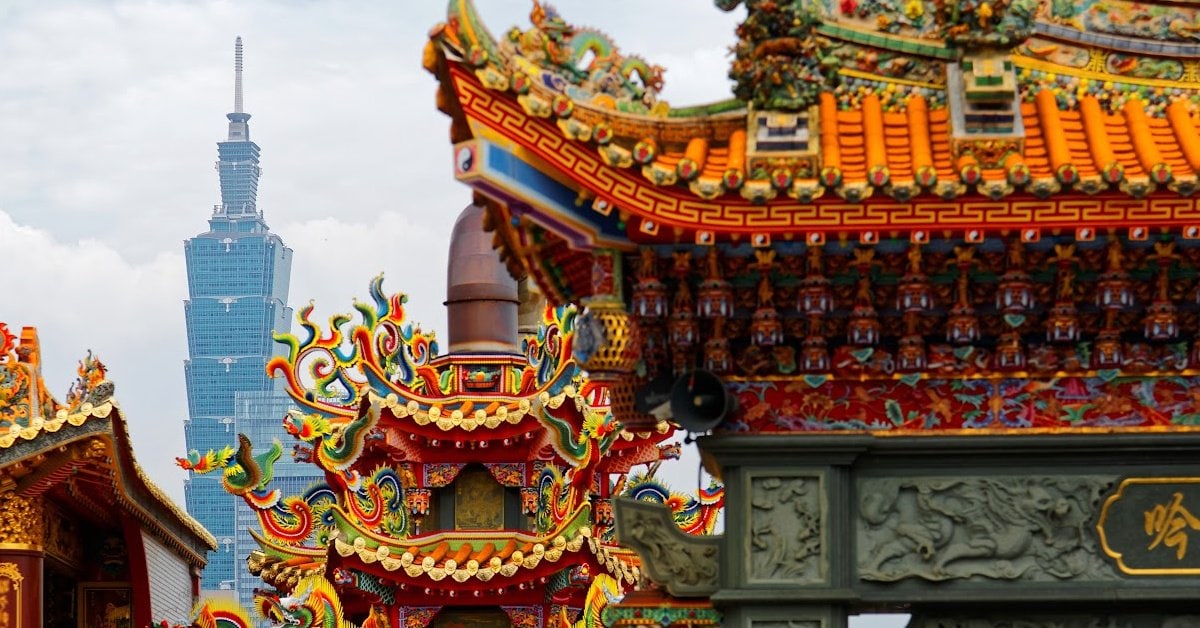
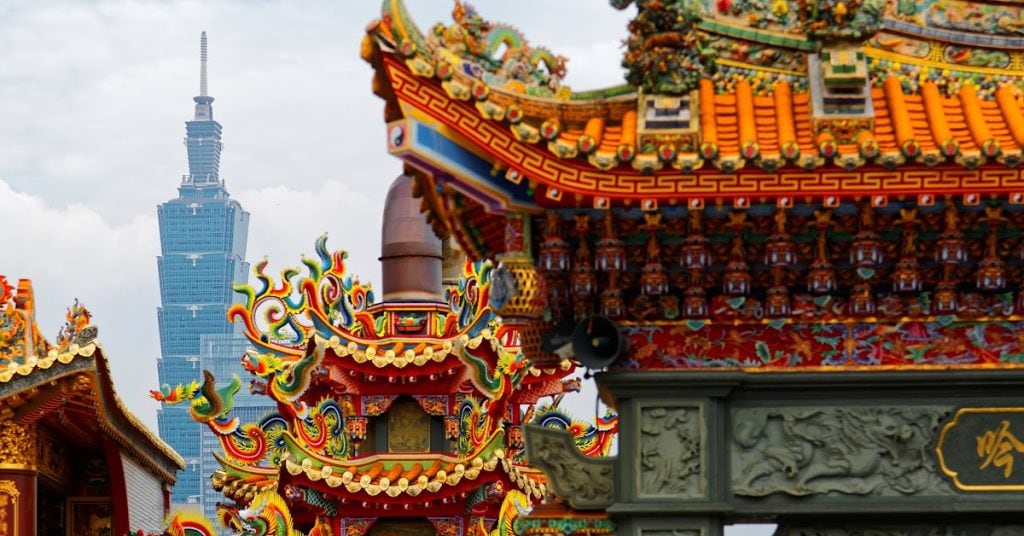
- Title background picture: Taipei 101, soaring 508 meters tall, was completed in 2004 and for several years held the title of the world’s tallest building. Designed by Taiwanese architect C.Y. Lee, its architecture reflects a blend of tradition and modernity. Inspired by the form of a bamboo stalk, symbolizing strength and growth, Taipei 101 also incorporates elements of traditional pagodas.
Taiwanese culture is a diverse blend of indigenous traditions, global influences, and a distinctive historical journey This cultural vibrancy is evident in its festivals, arts, and diverse culinary offerings, with traditional celebrations like the Lunar New Year and the Mid-Autumn Festival standing alongside contemporary events like the Taipei Film Festival. Taiwan’s indigenous communities play a significant role in shaping its cultural identity, contributing unique music, dance, and craftsmanship. At the same time, Taiwan is celebrated for its progressive spirit and innovative mindset, reflected in its flourishing tech industry and modern social values. This blend of tradition and innovation creates a dynamic cultural landscape that embraces both its heritage and future.
Stay Connected: Join the Journey of Cultural Harmony
ARTIST INTERVIEW: Mich Yehwebsite
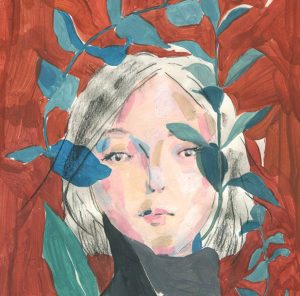 Q: Can you tell us a bit about your background and how you first became interested in creating art?
I was born in Taipei, Taiwan, in 1983 and graduated from Fine Arts at Taipei National University of the Arts. Currently, I work as an illustrator, animator, and graphic designer. In recent years, I’ve ventured into the field of music video production and live show visuals, including contributions to the Golden Melody Awards and Golden Bell Awards. I remember when I was a kid, like most kids, I loved reading comics, and that’s how I got into drawing. I’d share my drawings with my friends, and the compliments I got made me feel accomplished, so I just kept at it. Over time, I learned watercolor, ink painting, sketching, and more. By the time I reached university, choosing Fine Arts just felt like the natural thing to do.
Q: Are there any aspects of Taiwanese culture that you didn’t fully appreciate as a child but have come to value deeply as an adult? Does Taiwanese culture have an influence on your art?
When I was a kid, like most kids, I loved watching Japanese comics and cartoons. Back then, Japanese pop culture was everywhere in Taiwan, so I had this fascination with Japan. Then, as a teenager, I got really into Western art from the history books. When I got older, I had the chance to travel to places like Japan, France, Germany, China, and Thailand, and that’s when I really started noticing how different cultures affected me. It’s hard to pinpoint exactly how Taiwanese culture has influenced my work, but one thing I remember clearly is seeing all the different temples and churches in places like Japan, Thailand, China, and Europe. They each have their own vibe, especially in terms of color and atmosphere. In the beginning, I tended to use softer, low-saturation colors in my artwork, probably because of the vague memories of Japanese comics I grew up with. But the more I traveled, I started noticing how the colors used in temples could vary even within Asia—Northeast Asian temples feel cool and sacred, while Southeast Asian temples are much more lively and bold. Over time, I’ve come to realize that I feel more connected to the South, or rather, to island life. And as I’ve become more relaxed and open-minded, I’ve found myself gravitating toward colors with stronger contrasts.
Q: What inspired you to create “I’m here, you’re there”, and can you walk us through your creative process for this piece? Do you plan ahead, or is your work more spontaneous?
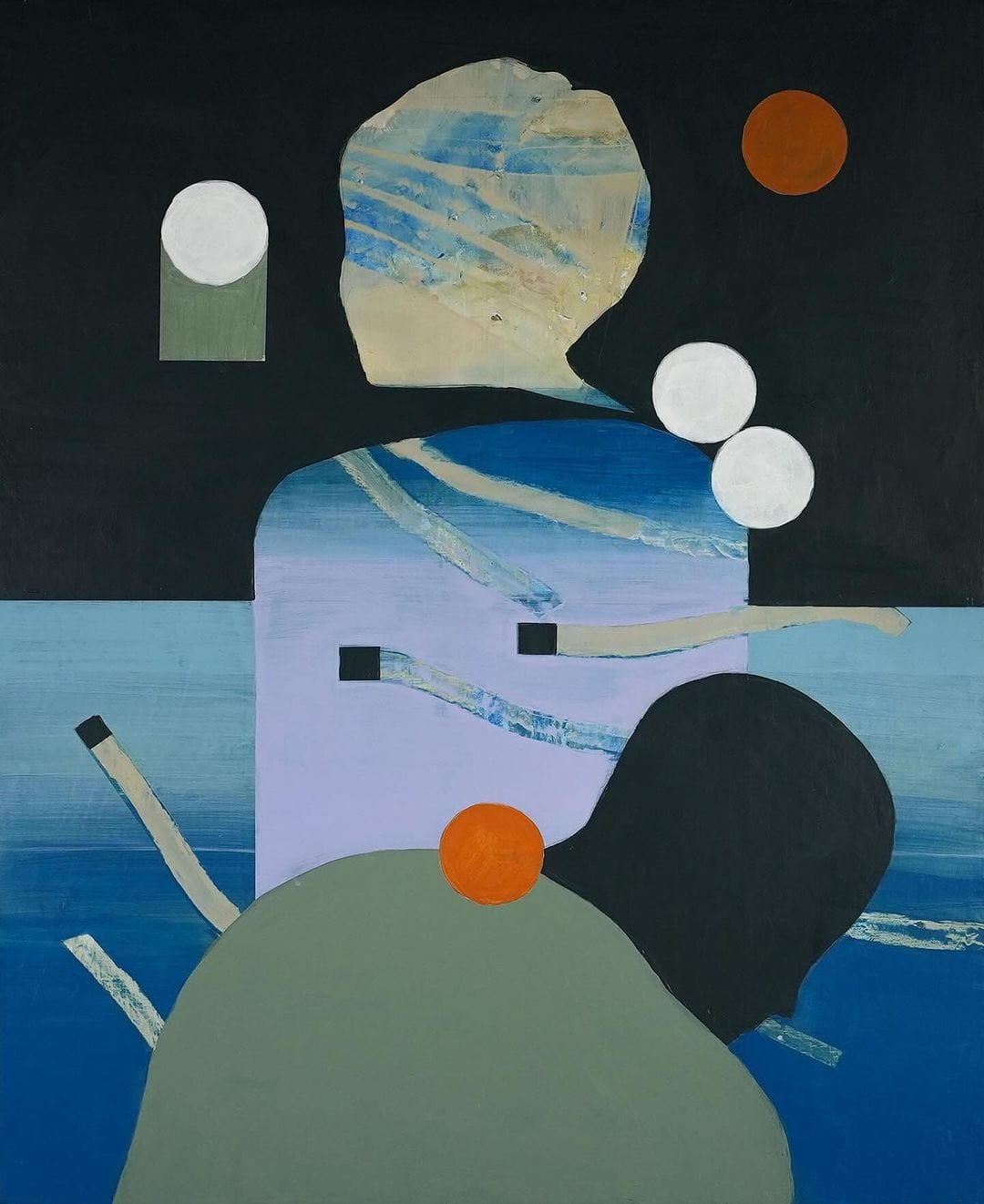
I created this piece in early 2024 when I had the chance to participate in an art fair, so I prepared a few works. Over the past two years, I’ve been in a relationship with a French boyfriend, which has meant traveling back and forth between France and Taiwan. While in France, I can’t speak French, and even though I lived with my boyfriend, there were times when I felt a bit isolated. At first, I actually enjoyed it, because being disconnected from everything felt liberating. Maybe it’s because life in Taiwan is so fast-paced and busy, and suddenly, everything slowed down. But over time, I began to feel lonely, and I imagine my boyfriend probably felt the same way when he came to Taiwan! In this piece, I used light spots and lines to represent how we connect with each other through our phones and digital networks, while the circular moon symbolizes the idea that, no matter the time zone, we both see the same moon. I started with a rough idea in my mind: me and him, each in different spaces, looking at our phones. During the creative process, I spontaneously added lines and colors to give the work more depth.
Q: As we live in an increasingly digital age, how do you view this shift as an artist? Do you see digital exposure as a benefit, or do you worry that certain skills or traditions might fade away?
I remember when Facebook started getting popular, it felt like everything was speeding up. At first, it was like opening a huge window to a wider world. Information that used to take so much effort to find became something you could just Google. This has definitely helped artists showcase their work or even helped younger creators discover their identity faster. Plus, tools, techniques, and all kinds of art forms are now so accessible online. Compared to when I was a kid and thought you had to be in a big city to see certain things, now you can find almost anything as long as you have the internet. Later, with the rise of social media, more platforms meant more ways for artists to get noticed. But it also meant every artist needed to market themselves, almost like branding. This works for some types of creators, but not everyone. I think this system might cause some people to give up because they don’t want to play by these rules. It also makes me wonder if the art world could turn into something like fast fashion—lots of consumption but flat and superficial. And now, with AI creating art, I’m both amazed and concerned. While I’m excited that AI can take over some of the boring work, I still believe people will always prefer art made by humans. It just might take a while before we see that shift happen.
Q: How often do you collaborate with other artists or do you primarily prefer to work independently?
I do both. I really enjoy collaborating with artists from different fields because I love trying new things. It often gives me fresh ideas when I return to working independently.
Q: Are there any Taiwanese artists or cultural figures who have influenced your work or that you would recommend to those interested in Taiwanese art?
It’s hard to pinpoint any specific person who has influenced me; there have been different people at different times! But I’d like to recommend the work of two of my friends:
Q: What can we expect from your work in the near future? Where can people see more of your art?
My main work currently focuses on creating animations and concert visuals, but I might have a solo painting exhibition next year. You can see my work here:
Q: Your portfolio consists of paintings but also explores digital art, how has it influenced your approach or creative process?
I often switch between painting, designing, and illustrating, using various software, digital drawing tools, and more in my work. I feel that these transitions often spark new ideas. Sometimes, when thinking about how to paint on a canvas, I change the usual order of painting, much like when I’m working with software. When creating animations or post-production effects, I shift to the logic I use when painting. For me, software is like having different tools or brushes.
MUSIC: 'The Moon represents my Heart'stream music
Composer
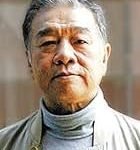 Weng Ching-hsi (1936-2012) composed The Moon Represents My Heart”, with lyrics by Sun Yi (孫儀). During his time studying at Berklee College of Music in Boston, Weng often found inspiration in the surrounding parks, jotting down musical ideas as they came to him. Upon returning to Taiwan, Weng shared one of these compositions with his friend, lyricist Sun Yi, although he initially considered it not worth keeping. Sun Yi, however, saw great potential in the piece and wrote lyrics for it. In 1972, they sold the song to Li Ge Records, and it was first recorded by Taiwanese singer Chen Fen-lan in 1973. The song gained widespread fame through Teresa Teng’s iconic 1977 rendition, becoming a beloved classic in Mandarin pop music.
Arranger
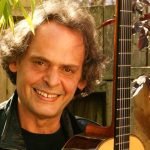 Roland Dyens (1955-2016), the renowned French guitarist, was celebrated not only for his virtuosity but also for his exceptional talent as an arranger. He had a unique ability to reimagine and transform works from various genres, making them his own while maintaining their essence. Dyens masterfully adapted everything from jazz standards and popular songs to classical masterpieces for the guitar, showcasing the instrument’s versatility and expressive range. His arrangements, often filled with innovative harmonies, intricate rhythms, and rich textures, elevated the guitar’s role in both solo and ensemble settings. Through his skillful artistry, Dyens expanded the guitar repertoire and inspired generations of musicians with his fresh interpretations.
Musician
 Sam Desmet – classical guitarist from Belgium, known for blending tradition with innovation, using music to explore and celebrate cultural diversity through collaborations with artists from various disciplines.
Song Lyrics
Yue Liang Dai Biao Wo De Xin*
ni wen wo ai ni you duo shen
wo ai ni you ji fen
wo de qing ye zhen
wo de ai ye zhen
yue liang dai biao wo de xin
ni wen wo ai ni you duo shen
wo ai ni you ji fen
wo de qing bu yi
wo de ai bu bian
yue liang dai biao wo de xin
qing qing de yi ge wen
yi jin da dong wo de xin
shen shen de yi duan qing
jiao wo si nian dao ru jin
ni wen wo ai ni you duo shen
wo ai ni you ji fen
ni qu xiang yi xiang
ni qu kan yi kan
yue liang dai biao wo de xin
*Hanyu Pinyin Lyrics
The Moon Represents my Heart
You ask me how deep my love for you is,
How much I really love you…
My affection is real.
My love is real.
The moon represents my heart.
You ask me how deep my love for you is,
How much I really love you…
My affection does not waver,
My love will not change.
The moon represents my heart.
Just one soft kiss
is enough to move my heart.
A period of time when our affection was deep,
Has made me miss you until now.
You ask me how deep my love for you is,
How much I really love you.
Go think about it.
Go and have a look [at the moon],
The moon represents my heart.
share article
Thank you!
I extend my deepest gratitude to everyone who made this project possible
To United Arts of Central Florida, thank you for believing in me as an artist and awarding me the Community Project Grant that brought this vision to life. I am also profoundly grateful to the talented composers, arrangers, and visual artists who have enriched this journey with their creativity and dedication. To my mentors, colleagues, and the audiences who support and inspire me, your belief in this project means the world.
A special thanks to my wife Elizabeth and daughter Layna. Your unwavering support and belief in me, especially when challenges seemed insurmountable, have been my foundation. This project wouldn’t exist without you standing by my side every step of the way.